The Elegant Utility of a Green Floral Frame Illustration
In the world of digital design, certain assets possess a unique blend of beauty and versatility. A watercolor floral illustration with a graceful green frame is one such resource. At first glance, it’s simply a pretty picture—a delicate arrangement of blooms captured in soft washes of color, bounded by an organic, leafy frame. But its true value lies in its remarkable adaptability. This single illustration file can blossom into dozens of applications, from personal crafts to professional projects, making it a powerhouse tool for creators of all kinds.
Understanding the Digital Illustration Asset
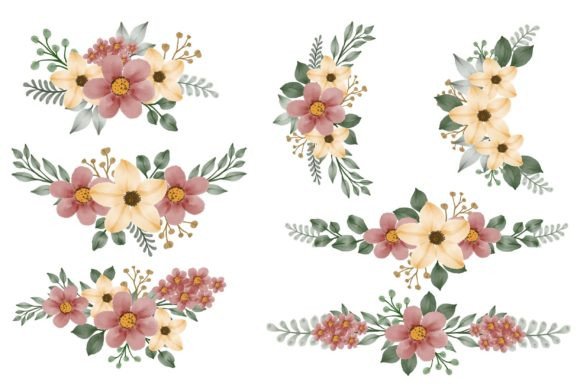
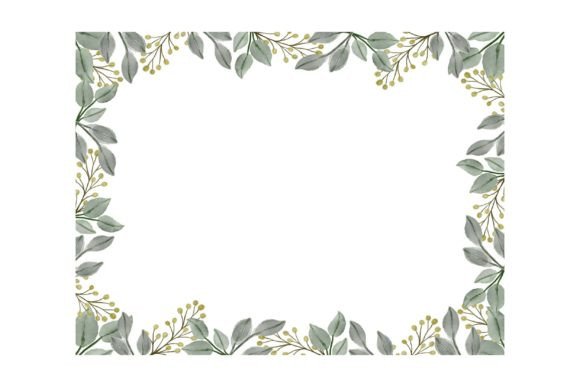
Let's start from the ground up. What exactly is this "Green Floral Frame" asset? It is a digital illustration, typically created using techniques that mimic traditional watercolor painting. The artist uses digital tools to achieve soft blends, gentle gradients, and that characteristic translucent quality of real watercolor. The central motif is an arrangement of flowers—perhaps roses, peonies, or wildflowers—nestled within a frame itself composed of green foliage, vines, or leaves. This creates a cohesive, nature-inspired composition that is both a standalone artwork and a flexible design element.
The key to its utility is the provision of the illustration in multiple file formats. When you acquire such an asset, you usually receive:
- .EPS 10 Format: This is a vector file. Vector graphics are built from mathematical paths, meaning they can be resized to any dimension—from a tiny logo to a massive billboard—without any loss of quality or sharpness. This format is ideal for professional printing and scalable design work.
- .JPG Format: A common raster image file, perfect for direct use in digital contexts like web pages, social media posts, or simple print projects where extreme scaling isn't required.
- .PNG Format: Another raster format, but one that often supports transparency. This means the background can be clear, allowing you to place the floral frame directly over other colors or images without a white box around it. This is crucial for overlay applications.
This multi-format approach ensures the illustration is ready for virtually any technical requirement, a fundamental point often overlooked by beginners.
The Core Purpose: A Bridge Between Art and Application
The primary significance of this type of illustration is its role as a bridge. It connects the artistic vision of a painterly, handmade style with the practical, repeatable needs of digital creation. You don’t need to be a master watercolorist to utilize this aesthetic; the illustration provides that artistic authority, while the digital files give you the control to implement it. This democratizes design, allowing small business owners, hobbyists, educators, and seasoned designers alike to access high-quality art for their specific needs.
A Universe of Practical Applications
Where does this floral frame fit into modern life? Its relevance is vast and cross-contextual. Let’s explore some concrete examples that demonstrate its practical reach.
Personal Creativity and Stationery
For personal use, the illustration becomes a springboard for custom projects. Using basic software or even online design tools, you can:
- Create unique greeting cards for birthdays, weddings, or thank-you notes by placing the frame as a border around your text.
- Design custom invitations for a garden party or spring event, where the theme matches perfectly.
- Print it as a wall art piece for your home, adding a touch of serene nature to your decor.
- Use the transparent PNG to design a wreath graphic for a digital scrapbook or family newsletter.
These applications make special occasions feel more personalized and thoughtfully crafted.
Commercial and Business Use
In a business context, this asset transforms into a versatile brand element. A small boutique might use it:
- On their website as a decorative border for product categories like "Garden Collection."
- As a repeated pattern on fabric for a line of aprons or table linens, leveraging the vector file for clean, scalable printing on textiles.
- Imprinted on mugs and tee-shirts as merchandise, appealing to customers who love a botanical style.
- Within the design of email newsletters or marketing flyers to establish a gentle, organic brand aesthetic.
For entrepreneurs, it offers a cost-effective way to incorporate professional-level art into their branding without commissioning a custom piece for every single product.
Educational and Digital Content
In education or content creation, the illustration serves as an engaging visual. A teacher creating materials about botany could use the frame as a lovely header for worksheets. A blogger writing about sustainable living might use it as a featured image to complement their post. Its soft, approachable style makes information feel more welcoming and less austere.
Clarifying Common Assumptions
It’s important to address some common misunderstandings about such digital illustrations.
Assumption 1: "It's just for making cards." As we've seen, this is a drastic underestimation. The multi-format nature specifically enables use in industrial printing (like fabric) via EPS, and digital overlay (like web graphics) via PNG.
Assumption 2: "I need advanced software to use it." While professional designers use Adobe Illustrator for EPS files, many free or low-cost programs like Inkscape (for vectors) or Canva (which can import PNGs/JPGs) allow beginners to work with these files effectively.
Assumption 3: "The colors and size are fixed." With the vector EPS file, size is infinitely flexible. Furthermore, in vector software, colors can often be modified—you could change the green frame to a blue one, or adjust the flower hues to match a specific palette, adding another layer of customization.
Building a Broader Understanding: The Asset in the Digital Ecosystem
To fully appreciate this floral frame illustration, consider how it fits into the larger ecosystem of digital creativity and commerce. It represents a category of design resources known as stock illustrations or digital assets. These are not mere pictures; they are licensed building blocks. The growth of platforms offering such assets reflects a shift in how people create—combining ready-made, professional elements with their own ideas to produce unique outcomes faster.
This mirrors trends in technology and work: the move towards modularity, customization, and efficiency. Just as a programmer uses a code library or a chef uses a premium base ingredient, a designer or small business owner can use this illustration as a high-quality base to build upon. It supports creativity by removing technical barriers, allowing the focus to shift to composition, message, and application.
Ultimately, a Green Floral Frame watercolor illustration is more than an image. It is a multipurpose tool, an artistic shortcut, and a source of consistent aesthetic. Whether you're crafting a heartfelt card, launching a product line, or beautifying a classroom handout, it provides a foundation of natural elegance that can be adapted to your vision. By understanding its formats, its applications, and its place in the digital world, you unlock not just a file, but a wide spectrum of creative possibility.