The Allure of Floral Liner Art and Continuous Line Illustration
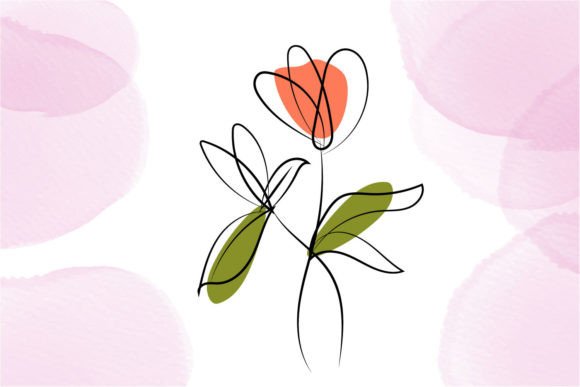
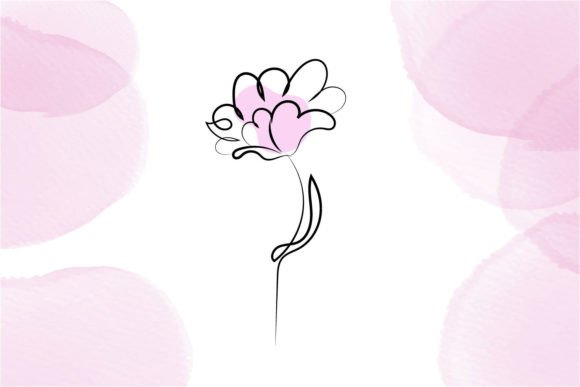
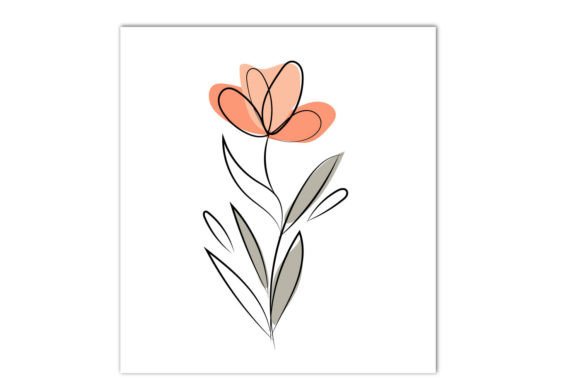
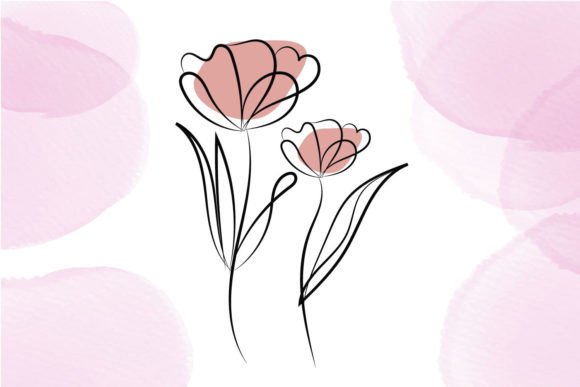
Floral liner art captures nature’s elegance in a single, flowing line. It's a style of drawing where a continuous, unbroken line traces the entire form of a flower, leaf, or botanical arrangement, creating a piece that feels both minimalist and intricate. This continuous line illustration technique transforms complex organic shapes into clean, unified artworks that are visually striking and remarkably versatile. The resulting collection is not just a set of images; it’s a toolkit of adaptable beauty.
Why Floral Liner Art Resonates Across Different Worlds
The appeal of floral liner art isn’t universal; it's personal and practical. What draws someone to this style often depends entirely on their role, goals, and what they're trying to create or communicate. For a hobbyist, it might be the pure joy of a beautiful design. For a startup founder, it might be the need for a scalable, professional logo that doesn’t require a hefty design budget. The same digital file—a full vector illustration in EPS and JPG formats—holds different value for different people.
A graphic designer might prioritize the editable, resizable nature of the vector files, seeing them as a starting point for complex client projects. A blogger or educator, however, might value the high resolution for creating crisp, engaging visuals for their online content or teaching materials without worrying about pixelation. The ability to change colors easily means a marketer can adapt a single illustration to match different campaign themes, while someone creating a tattoo design might seek the perfect, unalterable black line for its clarity and permanence.
For Creators and Entrepreneurs: A Foundation for Branding
If you’re building a brand or launching a product, floral liner art offers a blend of creativity and reliability. These illustrations can become the core of a visual identity. Imagine using a single continuous line rose as a logo for a boutique, adaptable for everything from your website header to the embroidery on your product packaging. Because the files are fully vector, you can resize them for a business card or a storefront banner without any loss of quality, ensuring consistent presentation across all touchpoints.
Small business owners, particularly in fields like wellness, fashion, or organic goods, often find that this art style communicates natural quality and refined simplicity. The practical benefit here is speed and cost; having a professional-grade, editable asset allows for rapid iteration and deployment across marketing materials, from social media posters to textile prints for merchandise, without commissioning new art each time.
For Artists and Designers: A Canvas for Innovation
Professionals and experienced users approach these collections with a different lens. The editable vector file is the key feature. Opening the EPS in Adobe Illustrator provides total control. You can deconstruct the line, add layers, integrate it with other elements, or manipulate its paths to create something entirely new. This isn't about using a ready-made graphic; it's about using a high-quality raw material.
A freelance illustrator might use the floral line art as a base layer in a larger digital painting, saving hours on the initial sketch. A textile designer could repeat and pattern the lines to create unique fabric prints for apparel or home decor. The priority for this audience is flexibility and creative utility. The fact that the files are provided in high-resolution formats ensures that even their most detailed derivative works will maintain integrity for print or large-scale display.
For Beginners and Hobbyists: Accessibility and Inspiration
Starting a creative project can be daunting. Floral liner art collections are wonderfully accessible. For someone new to design, perhaps making a wedding invitation or a personal art card, the JPG files offer ready-to-use, beautiful images. They can be placed directly into simple layout software. The learning value is also significant; studying how a continuous line captures a complex tulip or vine can be a great lesson in composition and minimalist art.
Hobbyists, such as those who enjoy crafting custom T-shirts or decorating book interiors for personal projects, appreciate the immediate usability. They might not need to edit the vector, but the high resolution guarantees their home-printed results look polished. Their priority is ease of use and final presentation quality, allowing them to achieve a professional-looking outcome without professional skills.
Evaluating Fit for Your Projects and Priorities
Knowing how you intend to use art is the first step in determining if this type of collection is right for you. Consider your primary need: is it for commercial value, like a logo or product line? Is it for personal creativity, like a one-off poster or gift? Or is it for long-term usefulness, like a library of assets you can revisit for multiple future projects?
If your project demands adaptation—you need to change colors to match a palette, resize for diverse applications, or edit the form itself—then the vector (EPS) format and editable nature are essential. You’ll likely want software like Adobe Illustrator to harness the full potential. For the best results in editing, Illustrator is indeed recommended as it works seamlessly with vector paths.
If your need is more immediate and fixed, such as printing a specific poster or using an image in a blog post, the high-resolution JPGs might suffice. Your priority is likely speed and reliable quality. Consumers looking for art to frame might simply evaluate the aesthetic appeal and how the floral liner art fits their space, with less concern for the technical file properties.
Educators or publishers might look at the collection from two angles: its utility as a visual aid in materials (where clarity and resolution are key), and its potential as a teaching tool to demonstrate line art techniques and botanical illustration.
Practical Applications in Everyday Contexts
Let’s look at some concrete examples. A freelance web designer is tasked with creating a site for a florist. They can use the editable floral line art to develop a custom icon set for the navigation menu, ensuring every icon feels cohesive and brand-aligned. A novelist self-publishing a book might use a delicate line art wreath for the chapter headers in the book interior, adding a touch of elegance. A couple planning their wedding could incorporate the illustrations into their invite cards, ceremony program, and even the pattern on the dance floor backdrop, all from the same adaptable file set.
The common thread is versatility. From prints and wall art that adorn a physical space to digital logos that represent a business online, the continuous line provides a consistent, recognizable thread. It’s art that works, adapting to the medium while retaining its core identity.
Ultimately, floral liner art and continuous line illustration collections serve as a bridge. They connect the organic beauty of nature with the precise needs of modern creation, whether that creation is commercial, personal, educational, or purely artistic. By understanding your own goals—whether they lean towards ease, quality, flexibility, or cost—you can see how these simple, elegant lines might become a complex and valuable part of your next project.