The Artful Journey: From Watercolor Flowers to Finished Designs
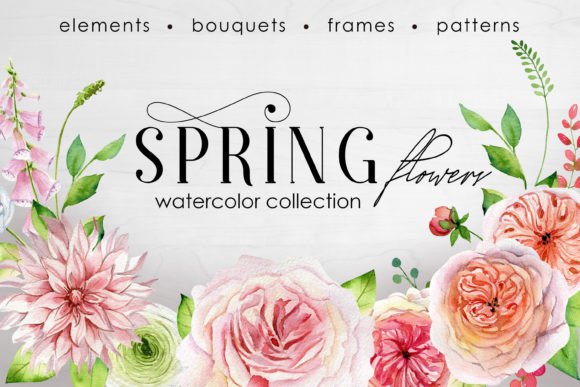
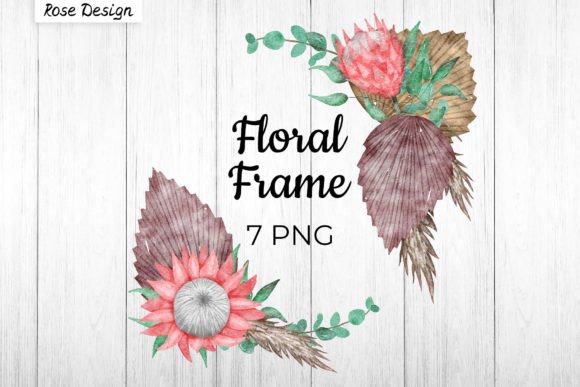
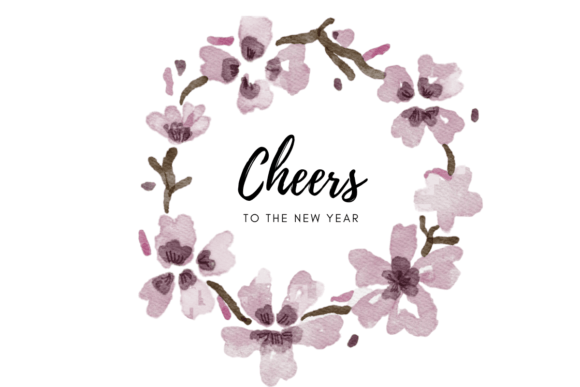
Imagine a delicate floral ring, painted in soft watercolor washes of pink and lavender, or a single bloom captured with the expressive brushstrokes unique to watercolor art. These aren't just paintings; they are the beginning of a creative journey. In the digital age, such artworks, especially when provided with a transparent background, become versatile design assets. This transformation from traditional art to digital resource opens a world of possibility for crafters, designers, and entrepreneurs. Understanding this process—from the artistic technique to its practical application—reveals how a simple watercolor flower can blossom into a multitude of finished products, enriching modern creativity and commerce.
The Foundation: Watercolor as an Artistic Medium
To appreciate the final product, one must first understand the source. Watercolor painting is a revered technique characterized by its transparency and fluidity. Unlike opaque paints, watercolors allow light to pass through the layers, creating a luminous, often ethereal quality. This medium is particularly beloved for depicting floral subjects.
- Why Flowers? The organic shapes, gradient colors, and delicate textures of flowers naturally align with watercolor’s strengths. The paint can be used to suggest the soft petal of a rose or the vibrant streak in a pansy with minimal effort.
- The Unique Challenge Watercolor is also known for its unpredictability—the way colors bleed and blend on paper can create beautiful, unexpected effects. This "happy accident" aspect lends each watercolor flower a sense of unique, handmade charm that is difficult to replicate digitally from scratch.
A common misunderstanding is that watercolor art is fragile or solely decorative. In its original form on paper, perhaps. But when digitized, its character is preserved while its utility is multiplied exponentially.
Digitizing the Art: The Power of a Transparent Background
The critical step in this journey is the conversion of physical or digital painting into a usable graphic file. When an artist or shop provides an image with a transparent background, they are offering the design in its most flexible form. Technically, this means the background around the floral ring or flower is not white or any other color, but empty (alpha channel).
This transparency is the key that unlocks countless applications. It allows the design to be placed seamlessly onto any other surface without needing complex editing. Whether that surface is a bright cardstock, a dark fabric, or a digital screen, the watercolor flower integrates perfectly, as if painted directly onto that new medium. This removes a significant technical barrier for end-users, making professional-looking design accessible to beginners.
A Garden of Applications: Where Designs Come to Life
The practical relevance of these assets is vast. They fit beautifully into the DIY culture, small business ecosystems, and personal creative projects that flourish today. Here is how a single watercolor floral ring design can propagate across different fields.
For Personal Creativity & Stationery
- Greeting Cards & Invitations: A watercolor floral ring can serve as a stunning centerpiece for a wedding invitation or a heartfelt birthday card. The transparent file allows crafters to print it directly onto their chosen paper.
- Stickers: The playful, artistic quality of watercolor makes for exceptionally popular stickers. They can be used for planners, journal decoration, or as standalone decorative gifts.
- Posters & Wall Art: Scaling up the design for a poster maintains its artistic integrity. A transparent background means it can be combined with text or other graphic elements easily in layout software.
For Small Business & Branding
In modern micro-businesses, such designs are invaluable. A small shop selling handmade soap might use a watercolor flower on its label. An online coach could use a floral ring in their webinar slides for a soft, professional touch. The design adds a curated, artful aesthetic that elevates branding without the cost of commissioning custom art for every product.
Example: Consider a boutique that sells wedding supplies. They could use the same floral ring design across their website banner, their printable vow booklets, and their packaging tape, creating a cohesive and beautiful brand experience from a single asset.
In Education & Learning
These designs also have a role in educational materials. Teachers creating worksheets or classroom decorations can use them to add visual appeal. The non-clinical, gentle nature of watercolor art can make learning materials feel more welcoming and engaging.
Navigating the Digital Marketplace: Shops and Support
Platforms like Etsy, Creative Market, or dedicated artist shops (such as the fictional mordoocin shop) are where these transactions of creativity occur. Artists digitize their original watercolor paintings, often creating sets or bundles of floral designs, and offer them for download.
This model supports independent artists directly. When a visitor purchases a design or even follows an artist's shop or social media, they are providing crucial support that enables the artist to continue producing more art. It’s a virtuous cycle: the artist creates, the user applies, and the art spreads further into the world. Following an artist is not just a passive act; it’s a way to stay inspired and fuel a creative economy.
Clarifying Assumptions: Not Just for "Artists"
A prevalent assumption is that using such designs requires advanced graphic software skills. This isn't true. Many applications are straightforward:
- Basic Software: Programs like Canva, Microsoft Word, or even basic photo editors allow users to import PNG files (the common format for transparent images) and place them into projects.
- Physical Crafting: For those preferring hands-on work, the design can be printed onto transfer paper for fabrics, or directly onto cardstock for cutting out.
- The design asset is the starting point; the user's creativity determines the finish.
The Broader Significance: Art in Everyday Life
Ultimately, the journey from a watercolor flower to a sticker on a laptop or an invitation in someone's hand speaks to a larger theme: the democratization of beauty and design. Technology has bridged the gap between the artist's studio and the everyday creator. It allows artistic expression—with all its nuance and emotion—to be integrated into our daily communications, celebrations, workspaces, and personal items.
This fits perfectly into modern life where personalization and meaning are highly valued. A mass-produced card is generic; a card you make yourself featuring a specific watercolor flower you selected carries intention and care. The art becomes a tool for human connection and individual expression.
Cultivating Your Creative Garden
Whether you are a seasoned graphic designer looking for authentic elements to incorporate into a client's project, a small business owner building your brand's visual identity, or simply someone who loves to make beautiful things for friends and family, watercolor floral designs with transparent backgrounds offer a fertile starting point.
Begin by exploring the offerings of talented artists. Look for designs that resonate with your personal taste or project needs. Remember that supporting these artists through purchases or follows helps sustain the very ecosystem that provides these resources. Then, let your imagination guide you. That elegant floral ring watercolor might become the motif on your next batch of holiday cards, or that solitary watercolor flower might become the perfect logo for your new gardening blog. The art is given; its application is your creative contribution.
In a world that can often feel digitally cold and templated, these touches of handmade, artistic warmth make our creations—and our lives—more vividly human.